Chemical plants operate under some of the most demanding industrial conditions. Valves are exposed to aggressive media, elevated temperatures, pressure fluctuations, and continuous operation. Selecting the right valve material helps improve reliability, reduce maintenance, and extend equipment service life.
Among the available material options, nickel alloy valves are widely used because they offer outstanding performance in applications involving corrosive environments, high temperature service, and corrosive chemicals.
This guide explains why nickel alloy valves are selected for chemical processing, the advantages of different nickel alloys, and the applications where they provide the greatest value.
Why Material Selection Matters in Chemical Plants
Chemical production involves a wide variety of process media, including:
- Sulfuric acid
- Hydrochloric acid
- Nitric acid
- Chlorides
- Caustic solutions
- Organic solvents
- High-purity chemicals
Many of these fluids attack conventional carbon steel and even some stainless steels.
Valve materials must be engineered to withstand continuous exposure to:
- Corrosion
- High operating pressures
- Elevated temperatures
- Abrasive particles
- Thermal cycling
Choosing the appropriate material helps maintain stable operation while reducing unexpected shutdowns.
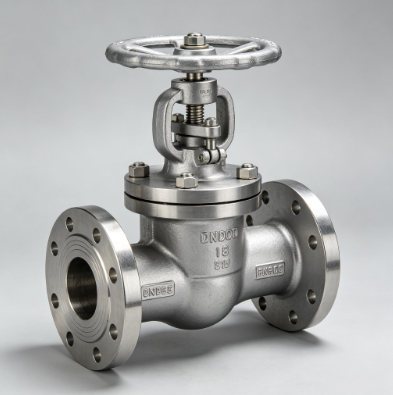
A nickel alloy valve is manufactured from alloys containing a high percentage of nickel together with elements such as chromium, molybdenum, iron, cobalt, or copper.
These alloying elements improve:
- Corrosion resistance
- Wear resistance
- Mechanical strength
- Heat resistance
- Oxidation resistance
Because of these properties, alloy valves manufactured from nickel-based materials are commonly installed in chemical plants, refineries, offshore facilities, pharmaceutical production, and power generation.
Common Nickel Alloys Used for Industrial Valves
Different nickel alloys are designed for different operating conditions.
Hastelloy®
Hastelloy alloys are well known for their excellent resistance to many aggressive acids and chlorides.
Typical applications include:
- Acid production
- Chlorination systems
- Waste treatment
- Chemical reactors
Inconel®
Inconel alloys perform well under high temperature conditions.
Applications include:
- Heat exchangers
- Steam systems
- High-temperature reactors
- Furnace equipment
Monel®
Monel alloys contain nickel and copper, providing good resistance to seawater and hydrofluoric acid.
Typical industries include:
- Marine engineering
- Offshore platforms
- Chemical processing
Alloy 20
Alloy 20 is frequently selected for sulfuric acid applications.
It offers good resistance to:
- Sulfuric acid
- Phosphoric acid
- Nitric acid
Advantages of Nickel Alloy Valves
Outstanding Corrosion Resistance
The primary advantage of nickel alloy valves is their exceptional corrosion resistance.
Compared with conventional materials, nickel alloys provide much longer service life in corrosive environments containing acids, chlorides, alkalis, and oxidizing chemicals.
Excellent Resistance to Aggressive Chemicals
Nickel alloys provide excellent resistance against many corrosive chemicals, including:
- Sulfuric acid
- Hydrochloric acid
- Hydrofluoric acid
- Chlorine compounds
- Caustic solutions
Their ability to resist localized corrosion helps maintain sealing performance over extended operating periods.
High-Temperature Performance
Many chemical processes operate at high temperature.
Nickel alloys retain their mechanical properties at temperatures where conventional steels begin to lose strength.
Applications include:
- Steam systems
- Heat exchangers
- Thermal reactors
- Furnace piping
High Mechanical Strength
Besides corrosion protection, nickel alloys offer excellent mechanical strength.
They maintain structural integrity under:
- High pressures
- Thermal cycling
- Pressure fluctuations
- Mechanical vibration
These characteristics support reliable operation in demanding process systems.
Wear Resistance
Valve trim components experience repeated opening and closing cycles.
Nickel alloys provide excellent wear resistance, reducing surface damage caused by friction and suspended particles.
Improved wear performance also helps maintain sealing capability over longer operating periods.
Resistance to Thermal Expansion
Temperature changes cause all metals to expand and contract.
Nickel alloys exhibit predictable thermal expansion, allowing engineers to design valves that maintain sealing performance across varying operating temperatures.
This property is especially useful for equipment exposed to repeated heating and cooling cycles.
Applications in Chemical Processing
Nickel alloy valves are widely used throughout chemical processing facilities.
Common applications include:
Acid Production
Strong acids rapidly attack many conventional metals.
Nickel alloy valves provide long service life when handling concentrated acids.
Chlorine Processing
Chlorine compounds create highly corrosive operating conditions.
Special nickel alloys help resist pitting, crevice corrosion, and stress corrosion cracking.
Petrochemical Plants
Petrochemical production often combines:
- High temperatures
- High pressures
- Corrosive process media
Nickel alloy valves provide reliable performance under these combined operating conditions.
Pharmaceutical Manufacturing
High-purity production requires materials that resist corrosion while maintaining clean process surfaces.
Nickel alloy valves are used in selected pharmaceutical processes where aggressive chemicals are present.
Fertilizer Production
Chemical fertilizer plants frequently process corrosive fluids that require durable valve materials capable of long-term operation.
Comparing Common Valve Materials
| Material | Corrosion Resistance | High Temperature | Mechanical Strength | Typical Applications |
|---|
| Carbon Steel | Moderate | Moderate | High | General Industrial Service |
| Stainless Steel | Good | Good | Good | Water, Food, General Chemicals |
| Nickel Alloy | Excellent | Excellent | Excellent | Chemical Processing, Acids, Petrochemicals |
| Duplex Stainless Steel | Very Good | Good | Very High | Offshore, Marine |
The appropriate material depends on the process fluid, operating temperature, pressure, and maintenance requirements.
Factors to Consider When Selecting Alloy Valves
Several factors influence valve material selection.
Process Media
Understand the chemical composition of the process fluid.
Different acids and solvents affect materials differently.
Operating Temperature
Higher temperatures may require alloys specifically developed for thermal stability.
Operating Pressure
Applications involving high pressures require materials with sufficient yield strength and fatigue resistance.
Corrosion Mechanisms
Consider:
- General corrosion
- Pitting
- Crevice corrosion
- Galvanic corrosion
- Stress corrosion cracking
Each corrosion mechanism may require a different alloy.
Maintenance Requirements
Long shutdown intervals often justify higher initial material costs because maintenance expenses are reduced over time.
Maintenance Tips
Routine inspection helps maximize valve service life.
Recommended practices include:
- Inspect sealing surfaces regularly.
- Check valve operation for unusual resistance.
- Monitor corrosion during scheduled shutdowns.
- Replace worn packing materials.
- Verify bolted connections.
- Clean deposits from internal surfaces.
- Record inspection history for trend analysis.
Preventive maintenance supports consistent valve performance throughout the equipment life cycle.
Frequently Asked Questions
Why are nickel alloy valves used in chemical plants?
Nickel alloy valves offer excellent corrosion resistance, high-temperature performance, and mechanical strength, making them suitable for handling aggressive chemicals and demanding process conditions.
Which nickel alloy is best for chemical processing?
The best material depends on the process. Hastelloy is widely used for highly corrosive acids, Inconel performs well at elevated temperatures, while Alloy 20 is commonly selected for sulfuric acid service.
Can nickel alloy valves handle high temperatures?
Yes. Many nickel alloys retain their strength and corrosion resistance at elevated temperatures, making them suitable for reactors, heat exchangers, and steam systems.
Are nickel alloy valves suitable for corrosive environments?
Yes. Nickel alloys are specifically designed for corrosive environments involving acids, chlorides, alkalis, and other aggressive chemicals.
How do nickel alloys compare with stainless steel?
Nickel alloys generally provide better corrosion resistance and higher-temperature performance than standard stainless steels, although they are typically more expensive.
What industries use nickel alloy valves?
Nickel alloy valves are commonly used in chemical processing, petrochemical plants, pharmaceutical manufacturing, offshore platforms, power generation, mining, and marine engineering.
Conclusion
Chemical plants require valve materials capable of performing reliably under demanding operating conditions. Exposure to corrosive chemicals, elevated temperatures, abrasive media, and high pressures places significant demands on every component within the process system.
Nickel alloy valves provide a combination of corrosion resistance, excellent resistance to aggressive media, wear resistance, and mechanical strength that makes them suitable for many challenging applications. Their ability to withstand thermal cycling, resist corrosion, and maintain performance over long operating periods has made them a preferred choice for chemical processing, petrochemical production, pharmaceutical manufacturing, and other industries where durability and process reliability are essential.
Selecting the appropriate alloy requires evaluating process media, operating temperature, pressure, and corrosion mechanisms. Working with an experienced valve manufacturer helps ensure the chosen material matches the application's performance requirements and expected service life.