Nickel alloy valves are widely used in industries that demand corrosion resistant, high strength, and temperature-resistant flow control solutions. Compared with ordinary stainless steel valves, nickel alloy valves offer superior durability in aggressive environments such as oil and gas, chemical processing, power generation, and marine systems.
This article explains what nickel alloy valves are, their applications, advantages, and how they compare with stainless steel, super duplex, Alloy 20, and Inconel alloys.
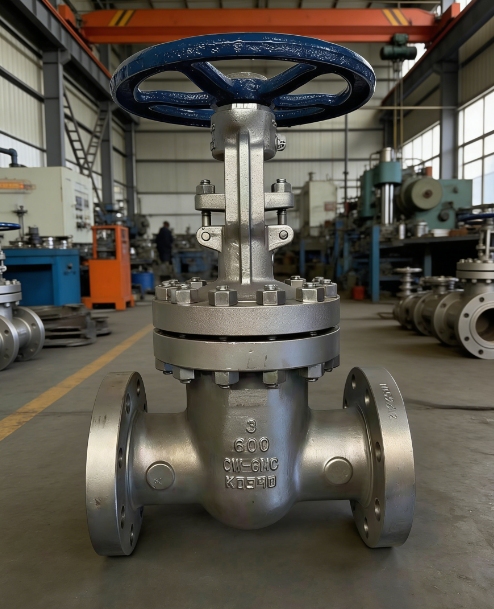
What Are Nickel Alloy Valves?
Nickel alloy valves are industrial valves manufactured from nickel-based materials such as Inconel alloys, Alloy 20, Monel, Hastelloy, and other high-performance alloys. These alloys are designed to withstand extreme corrosion, high temperatures, and high pressure.
Nickel alloy valves are commonly produced as ball valve, gate valve, globe valve, butterfly valve, and check valve types.
Key Advantages of Nickel Alloy Valves
1. Excellent Corrosion Resistant Performance
Nickel alloy valves are designed for aggressive media including acids, chlorides, seawater, and high-temperature gases. Compared with stainless steel and alloy valves, nickel alloys show better resistance to pitting and crevice corrosion.
2. High Strength and Mechanical Stability
Nickel alloys maintain high strength even at elevated temperatures, making them suitable for high-pressure and high-temperature systems.
3. Resistance to High Temperature
Inconel alloys and similar nickel-based materials retain mechanical properties at temperatures where stainless steel may lose strength.
4. Long Service Life
Due to strong resistance to oxidation and corrosion, nickel alloy valves typically provide longer operating life and lower maintenance costs.
Common Applications of Nickel Alloy Valves
Oil and Gas Industry
Nickel alloy ball valve and gate valves are widely used in drilling platforms, pipelines, refineries, and LNG systems where corrosive fluids and high temperatures are present.
Chemical Processing
Nickel alloy valves are preferred for sulfuric acid, hydrochloric acid, alkalis, and other aggressive chemicals. Alloy 20 and Inconel alloys are frequently used in reactors and storage systems.
Power Generation
In thermal and nuclear power plants, nickel alloy valves handle high-temperature steam and high-pressure systems where stainless steel valves may not be suitable.
Marine and Seawater Systems
Nickel alloy and super duplex materials are used in seawater desalination, offshore platforms, and marine piping systems due to resistance to chloride corrosion.
Industrial Manufacturing
Nickel alloy valves are also used in aerospace, pulp and paper, pharmaceuticals, and semiconductor manufacturing where high purity and corrosion resistance are required.
Nickel Alloy vs Stainless Steel vs Super Duplex
| Material | Corrosion Resistance | Strength | Temperature Resistance | Typical Use |
|---|
| Stainless Steel | Moderate | Moderate | Moderate | General industrial |
| Super Duplex | High | High | Moderate | Marine & offshore |
| Alloy 20 | High in acids | Moderate | Moderate | Chemical plants |
| Nickel Alloy / Inconel Alloys | Very High | Very High | High | Extreme environments |
Types of Nickel Alloy Valves
- Nickel Alloy Ball Valve – Used for tight shutoff and automated systems
- Nickel Alloy Gate Valve – Suitable for full-flow pipelines
- Nickel Alloy Globe Valve – Used for throttling and flow control
- Nickel Alloy Check Valve – Prevents backflow
- Nickel Alloy Butterfly Valve – Used in large-diameter systems
FAQs About Nickel Alloy Valves
What are nickel alloy valves used for?
Nickel alloy valves are used in oil and gas, chemical processing, power generation, marine systems, and other harsh environments requiring corrosion resistant and high strength materials.
Are nickel alloy valves better than stainless steel valves?
Nickel alloy valves provide better corrosion resistance and high-temperature performance than stainless steel, but they are more expensive and usually used in demanding applications.
What is the difference between Alloy 20 and nickel alloy?
Alloy 20 is a nickel-iron-chromium alloy designed for acid resistance, while other nickel alloys such as Inconel alloys offer better high-temperature and pressure performance.
Are super duplex valves similar to nickel alloy valves?
Super duplex stainless steel valves offer strong corrosion resistance in chloride environments but generally do not match nickel alloys in extreme temperature or chemical exposure.
What industries use nickel alloy ball valves?
Nickel alloy ball valves are used in oil and gas, chemical plants, offshore platforms, power stations, and industrial manufacturing.
How to Choose Nickel Alloy Valves
When selecting nickel alloy valves, consider:
- Operating temperature and pressure
- Corrosive media type
- Valve type (ball valve, gate valve, globe valve)
- Applicable standards (API, ASTM, ISO)
- Manufacturer quality control and testing
Working with an experienced alloy valve manufacturer ensures reliable performance and compliance with global standards.
Conclusion
Nickel alloy valves provide a reliable solution for harsh industrial environments where stainless steel or standard alloy valves cannot perform. With excellent corrosion resistant properties, high strength, and resistance to extreme temperature, nickel alloy valves are widely used in oil and gas, chemical processing, power generation, and marine systems.
Choosing the right material and manufacturer helps ensure long-term performance and system reliability.