Chemical processing systems handle aggressive chemicals, high temperatures, and extreme pressure conditions. Selecting the right valve material is essential to ensure reliable performance, enhance safety, and maintain long-term stability in chemical processes.
This guide explains corrosion resistant valves, valve material selection, common valve types, and how to choose valves for highly corrosive and high pressure applications.
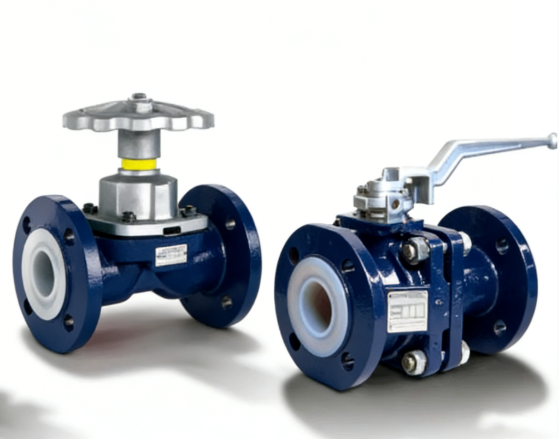
Chemical plants operate with corrosive chemicals such as acids, alkalis, solvents, and chlorides. Valves must withstand chemical attack, temperature and pressure fluctuations, and mechanical stress.
Proper valve material selection reduces leakage risk, extends service life, and improves cost effectiveness in industrial operations.
Common Valve Types for Chemical Processing
Ball Valves
Ball valves are widely used in chemical processing due to tight sealing and fast operation. They operate with a quarter-turn mechanism and are suitable for on-off control in pipelines handling corrosive chemicals.
Advantages of ball valves include:
- Tight sealing
- Low pressure drop
- Long service life
- Suitable for high pressure systems
Butterfly Valves
Butterfly valves are lightweight and suitable for large-diameter pipelines. They are used in chemical processes where fast operation and low cost are required.
They are commonly applied in:
- Cooling water systems
- Chemical transfer lines
- Low to medium pressure applications
Valve Material Selection for Corrosive Chemicals
Stainless Steels
Stainless steels are widely used in chemical processing due to their chemical resistance and mechanical strength. Common grades include:
- 304 and 316 stainless steels
- Duplex and super duplex stainless steel
- High-alloy stainless steel grades
These materials provide corrosion resistance for a wide range of chemical environments.
Nickel Alloys and Special Materials
For highly corrosive environments, nickel alloys, titanium alloys, and special materials are used. These materials offer enhanced resistance to aggressive chemicals, high temperatures, and stress corrosion cracking.
Operating Conditions in Chemical Processing
Temperature and Pressure
Chemical plants operate under various temperature applications, from cryogenic conditions to high temperatures above 400°C. Valves must maintain structural integrity and sealing under temperature and pressure fluctuations.
Chemical Attack
Acids, chlorides, solvents, and alkaline solutions can cause corrosion and material degradation. Selecting corrosion resistant materials prevents leakage and structural failure.
High Pressure Systems
High pressure reactors and pipelines require high strength materials and robust valve designs to ensure safe operation.
How Corrosion Resistant Valves Enhance Safety
Corrosion resistant valves reduce the risk of:
- Leakage of hazardous chemicals
- Environmental contamination
- Equipment failure and unplanned shutdowns
Selecting suitable valve materials and designs improves system reliability and enhances safety in chemical plants.
Cost Effectiveness of Corrosion Resistant Valves
Although corrosion resistant materials such as high-alloy stainless steels and nickel alloys have higher initial costs, they reduce maintenance, downtime, and replacement frequency. This improves lifecycle cost effectiveness for chemical processing facilities.
Applications of Corrosion Resistant Valves
Corrosion resistant valves are used in:
- Chemical reactors and processing units
- Petrochemical and refining systems
- Pharmaceutical production
- Pulp and paper plants
- Fertilizer and acid production plants
- Water treatment and desalination systems
How to Choose Valves for Highly Corrosive Environments
Evaluate Chemical Compatibility
Check the type and concentration of chemicals to select suitable materials.
Consider Temperature Applications
Ensure the valve material maintains strength at high temperatures and low temperatures.
Pressure Rating
Select valves that meet ASME pressure class requirements for high pressure systems.
Valve Type Selection
Choose ball valves for tight shutoff, butterfly valves for large pipelines, and globe valves for flow control applications.
Maintenance and Service Life
Materials with better corrosion resistance offer longer service life and reduced maintenance cost.
FAQs About Corrosion Resistant Valves for Chemical Processing
What valve materials are used in chemical processing
Common valve materials include stainless steels, duplex stainless steel, nickel alloys, titanium alloys, and special corrosion resistant alloys.
Why are ball valves used in chemical plants
Ball valves provide tight sealing, low pressure drop, and fast operation, making them suitable for corrosive and high pressure applications.
Are butterfly valves suitable for corrosive chemicals
Butterfly valves can be used with suitable liners and corrosion resistant materials in low to medium pressure chemical systems.
How does temperature affect valve material selection
High temperatures require materials that maintain strength and corrosion resistance under thermal stress, such as high-alloy stainless steels and nickel alloys.
What is the benefit of corrosion resistant valves
Corrosion resistant valves improve reliable performance, enhance safety, and extend service life in aggressive chemical environments.
E-E-A-T: Engineering and Manufacturing Considerations
Valve manufacturers for chemical processing should provide material traceability, PMI testing, hydrostatic testing, and compliance with ASTM, ASME, ISO, and API standards.
Engineering expertise in metallurgy, pressure design, and chemical compatibility is essential for selecting the right valve material. Industrial buyers should work with experienced manufacturers that provide mill test certificates, quality management systems, and global export compliance.
Conclusion
Corrosion resistant valves are designed for chemical processes involving aggressive chemicals, high temperatures, and high pressure conditions. Selecting the right valve material such as stainless steels, nickel alloys, or special corrosion resistant alloys ensures reliable performance and long service life.
Ball valves and butterfly valves are widely used in chemical processing systems to regulate flow, provide tight sealing, and improve operational efficiency. Evaluating operating conditions, chemical compatibility, temperature and pressure requirements helps enhance safety and cost effectiveness in chemical plants.