The oil and gas industry requires valves that can handle extreme operating conditions, including high pressure, corrosive fluids, and fluctuating temperatures. Selecting the right valve material is essential to ensure long service life, tight sealing, and reliable performance across upstream, midstream, and downstream oil and gas applications.
This guide explains how to choose valve materials, common valve types, and how ball valves, globe valves, and butterfly valves perform in oil and gas systems.
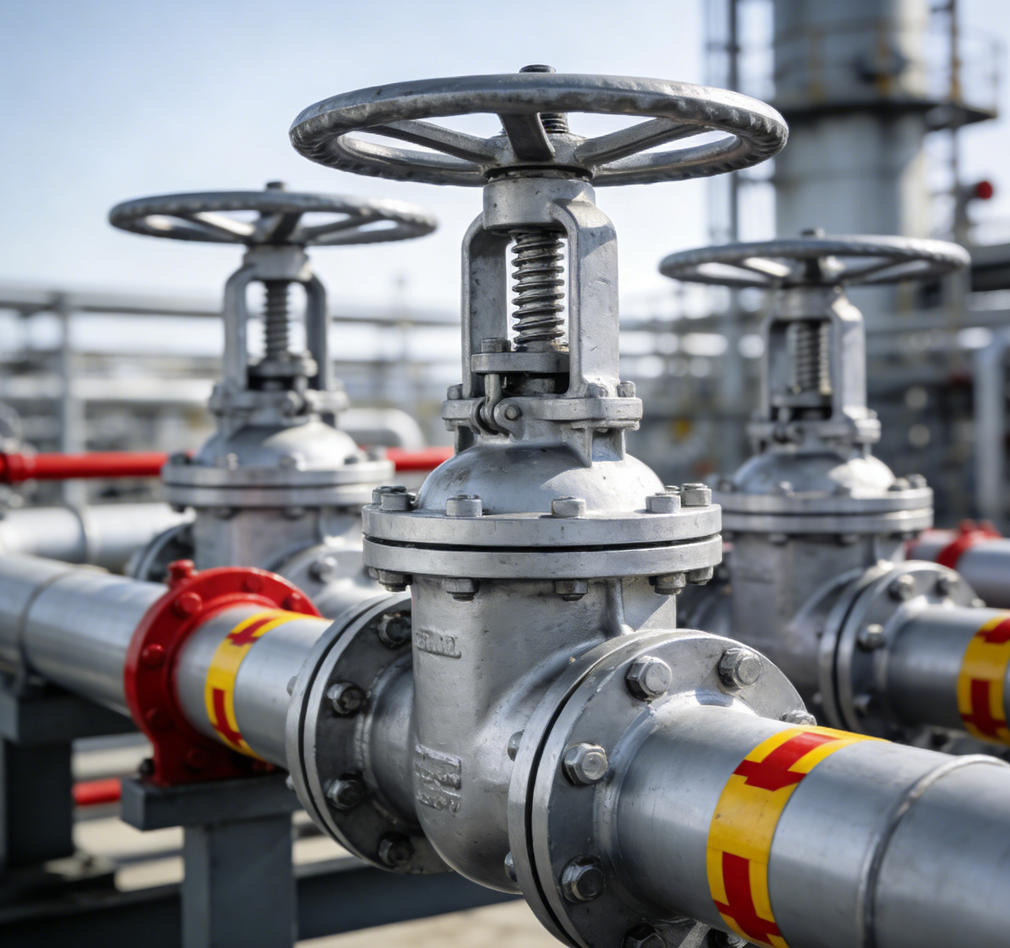
Why Valve Material Selection Matters in Oil and Gas Applications
Valves in oil and gas applications must operate safely in:
- High pressure pipelines
- Corrosive crude oil and gas media
- Sour gas and hydrogen sulfide environments
- Offshore and subsea systems
- High-temperature refining processes
Material selection affects corrosion resistance, mechanical strength, pressure drop, and service life of the valve.
Common Valve Types in the Oil and Gas Industry
Ball Valves
Ball valves are designed for fast shutoff and tight sealing. They use a spherical ball with a hole to regulate flow. Ball valves operate with a quarter turn, allowing quick open and close operations.
Common types include:
- Floating ball valve
- Trunnion mounted ball valve
- Full bore and reduced bore ball valves
Ball valves are widely used in natural gas pipelines, oil transport systems, and process units.
Globe Valves
Globe valves are used to regulate flow and control pressure drop in pipelines. They are suitable for throttling applications where precise flow control is required.
Butterfly Valves
Butterfly valves are lightweight and suitable for large-diameter pipelines. They are commonly used in water, gas, and low-pressure oil and gas applications where energy efficiency and fast operation are required.
Key Operating Conditions in Oil and Gas Systems
High Pressure and High Temperature
Oil and gas pipelines often operate under high pressure and elevated temperature. Valve materials must maintain strength and sealing performance under these conditions.
Corrosive Media
Crude oil, natural gas, and chemical additives can be corrosive. Materials must resist corrosion to prevent leaks and premature failure.
Abrasive Fluids
Sand, particles, and debris in pipelines can cause erosion. Hard materials and surface treatments help extend valve service life.
Stainless Steel and Alloy Materials for Oil and Gas Valves
Stainless Steel Valves
Stainless steel is widely used due to its corrosion resistance and mechanical strength. Common grades include:
- 304 and 316 stainless steel
- Duplex and super duplex stainless steel
- High-alloy stainless steel grades
Stainless steel valves are suitable for pipelines, refineries, and offshore platforms.
Alloy and Special Material Valves
For more aggressive environments, nickel alloys, duplex stainless steel, and titanium alloys are used. These materials provide enhanced resistance to corrosion, high temperature, and stress corrosion cracking.
Ball Valve Performance in Oil and Gas Pipelines
Ball valves are popular in the oil and gas industry due to:
- Tight sealing performance
- Low pressure drop in full bore designs
- Quick quarter turn operation
- Long service life with minimal maintenance
Floating ball valves are commonly used in medium pressure systems, while trunnion mounted ball valves are used in high pressure pipelines and long-distance transmission systems.
How Valves Regulate Flow in Oil and Gas Systems
Valves regulate flow by opening and closing or throttling the flow path.
- Ball valves open and close quickly with minimal pressure drop.
- Globe valves regulate flow precisely but create higher pressure drop.
- Butterfly valves provide fast operation and good energy efficiency in large pipelines.
Selecting the right valve type and material improves system efficiency and reliability.
Factors for Selecting Valve Materials
Pressure Rating
Choose materials that meet ASME pressure classes and design pressure requirements.
Temperature Range
Ensure the material maintains strength at high and low temperatures.
Corrosion Resistance
Evaluate the chemical composition of fluids and choose materials with suitable corrosion resistance.
Mechanical Strength
High strength materials are required for high pressure and subsea applications.
Service Life and Maintenance
Materials with higher corrosion resistance and wear resistance offer longer service life and reduced maintenance cost.
FAQs About Valve Material Selection for Oil and Gas Industry
What materials are commonly used for oil and gas valves
Stainless steel, duplex stainless steel, nickel alloys, carbon steel, and special alloys are commonly used in oil and gas applications.
Why are ball valves widely used in oil and gas pipelines
Ball valves offer tight sealing, low pressure drop, fast quarter turn operation, and long service life, making them suitable for pipelines and process systems.
What is a floating ball valve
A floating ball valve uses a floating ball supported by seats, allowing the ball to move slightly under pressure to improve sealing.
How do globe valves differ from ball valves
Globe valves are used to regulate flow and provide throttling, while ball valves are mainly used to open and close pipelines.
How does valve material affect service life
Material selection affects corrosion resistance, mechanical strength, and wear resistance, which directly influences valve durability and maintenance intervals.
E-E-A-T: Engineering and Manufacturing Considerations
Valve material selection requires engineering knowledge of metallurgy, pressure design, and international standards such as API, ASME, ISO, and ASTM. Manufacturers should provide material traceability, pressure testing, and quality documentation such as mill test certificates and hydrostatic test reports.
Working with experienced valve manufacturers ensures stable product performance, compliance with oil and gas industry standards, and consistent manufacturing quality.
Conclusion
Valve material selection in the oil and gas industry depends on operating conditions such as pressure, temperature, corrosion exposure, and flow requirements. Stainless steel and alloy materials are widely used to provide corrosion resistance and mechanical strength in harsh environments.
Ball valves, including floating ball valves, are widely applied due to tight sealing, low pressure drop, and fast quarter turn operation. Globe valves and butterfly valves are also used to regulate flow and improve energy efficiency in pipeline systems.
Selecting suitable valve materials and valve types helps extend service life, improve system reliability, and reduce maintenance costs in oil and gas applications.