Alloy 20 valves are widely used in chemical processing, oil and gas, and industrial systems where corrosion resistance and material stability are required. Compared with conventional stainless steel valves, Alloy 20 offers improved resistance to acids and aggressive chemicals, making it suitable for harsh operating environments.
This guide explains what Alloy 20 valves are, their properties, applications, and how they compare with stainless steel ball valves and other materials.
What Is Alloy 20
Alloy 20, also known as Carpenter 20, is a nickel-iron-chromium alloy with added copper and molybdenum. It was developed to provide enhanced resistance to sulfuric acid and other corrosive chemicals.
Typical standards include:
- ASTM B463 (plate, sheet, strip)
- ASTM B473 (bar)
- ASTM A351 and A743 (cast components)
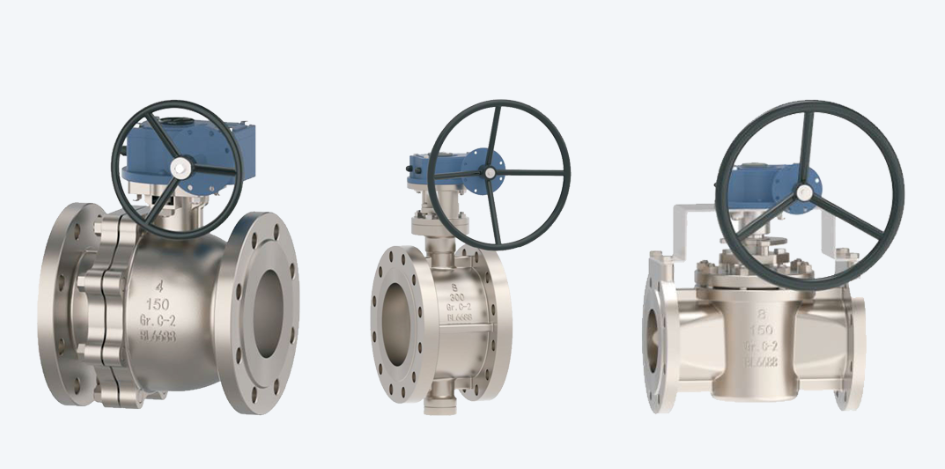
What Is an Alloy 20 Valve
An Alloy 20 valve is a flow control device manufactured from Alloy 20 material. These valves are commonly produced as:
- Ball valve
- Globe valve
- Gate valve
- Check valve
- Butterfly valve
Among them, Alloy 20 ball valves are widely used due to their tight sealing and durability in corrosive media.
Key Properties of Alloy 20 Valves
Excellent Corrosion Resistance
Alloy 20 is known for strong corrosion resistance in:
- Sulfuric acid
- Phosphoric acid
- Nitric acid
- Chloride environments
- Chemical processing fluids
This makes Alloy 20 valves suitable for aggressive industrial applications.
Good Mechanical Strength
Alloy 20 provides good strength and toughness at room and elevated temperatures. It offers stable mechanical properties for industrial piping systems.
Resistance to Stress Corrosion Cracking
Compared with many austenitic stainless steel grades, Alloy 20 shows improved resistance to stress corrosion cracking, especially in acidic environments.
Fabrication and Weldability
Alloy 20 can be welded and fabricated using standard procedures, making it suitable for complex valve designs and industrial equipment manufacturing.
Alloy 20 vs Stainless Steel Valves
Alloy 20 valves are often compared with stainless steel valves such as 304 and 316 grades.
| Feature | Alloy 20 Valve | Stainless Steel Valve |
|---|
| Corrosion Resistance | Excellent in acids | Good general resistance |
| Strength | Good | Good |
| Cost | Higher | Lower |
| Typical Media | Acids, chemicals | Water, oil, mild chemicals |
| Service Life | Long in corrosive media | Moderate to long |
Alloy 20 is selected when standard stainless steel is not suitable for aggressive chemicals.
Industrial Applications of Alloy 20 Valves
Chemical Processing
Used in sulfuric acid plants, fertilizer production, and chemical reactors.
Oil and Gas
Applied in refining, petrochemical plants, and processing systems handling corrosive fluids.
Pharmaceutical and Food Processing
Used where high purity and corrosion resistance are required.
Power and Industrial Systems
Applied in flue gas desulfurization systems, pulp and paper plants, and industrial fluid handling.
How to Choose an Alloy 20 Ball Valve
Media Compatibility
Evaluate chemical composition, acidity, and chloride concentration.
Pressure and Temperature
Check pressure rating and operating temperature range to select suitable valve class.
Valve Design
Select ball valve, globe valve, or gate valve based on flow control requirements.
Standards and Certification
Choose valves manufactured according to ASTM, ASME, ISO, and API standards for industrial applications.
FAQs About Alloy 20 Valves
What is Alloy 20 used for
Alloy 20 is used in chemical processing, oil and gas, pharmaceutical, and industrial applications where corrosion resistance to acids is required.
Is Alloy 20 better than stainless steel
Alloy 20 provides better resistance to sulfuric acid and aggressive chemicals, while stainless steel is suitable for general-purpose applications.
What is an Alloy 20 ball valve
An Alloy 20 ball valve is a quarter-turn valve made from Alloy 20 material, designed for tight shutoff and durability in corrosive media.
Can Alloy 20 valves handle sulfuric acid
Yes. Alloy 20 is widely used in sulfuric acid environments due to its resistance to corrosion and stress corrosion cracking.
Is Alloy 20 expensive
Alloy 20 valves have a higher initial cost than stainless steel valves, but they offer longer service life in corrosive environments.
E-E-A-T: Material Expertise and Manufacturing Considerations
Alloy 20 valves are typically produced by specialized valve manufacturers with experience in nickel-based alloys. Material traceability, PMI testing, hydrostatic testing, and compliance with ASTM and ASME standards are important for industrial projects.
Industrial buyers should work with qualified manufacturers that provide mill test certificates, quality control procedures, and global certifications to ensure consistent performance.
Conclusion
Alloy 20 valves are designed for industrial systems where corrosion resistance and chemical stability are required. Compared with standard stainless steel valves, Alloy 20 offers enhanced resistance to acidic and corrosive environments, making it suitable for chemical processing, oil and gas, and industrial fluid handling.
Alloy 20 ball valves are widely used for reliable shutoff and long service life in aggressive media. Selecting Alloy 20 valves depends on chemical compatibility, pressure, temperature, and lifecycle cost considerations. Working with experienced valve manufacturers ensures quality, compliance with international standards, and reliable performance for demanding industrial applications.