Duplex and super duplex stainless steel valves are widely used in oil and gas, chemical processing, marine systems, and other corrosive environments. These materials combine high strength with excellent corrosion resistance, making them suitable for high pressure and aggressive media applications.
This guide explains duplex stainless steels and super duplex stainless steels, their differences, applications, and how to choose the right valve material.
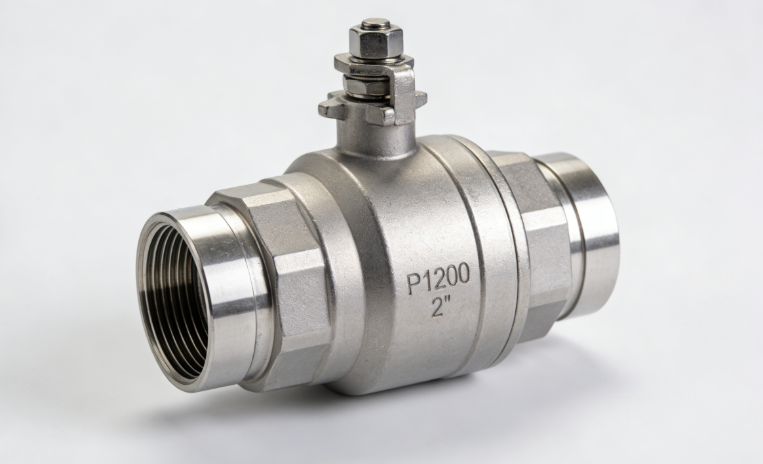
What Are Duplex Stainless Steel Valves
Duplex stainless steel ball valves and other valve types are manufactured from duplex stainless steels that contain a balanced structure of austenitic stainless steels and ferrite phases.
This dual-phase microstructure provides a combination of mechanical strength and corrosion resistance.
Common duplex grades include:
- Duplex 2205 (ASTM A182 F51)
- Lean duplex grades for moderate environments
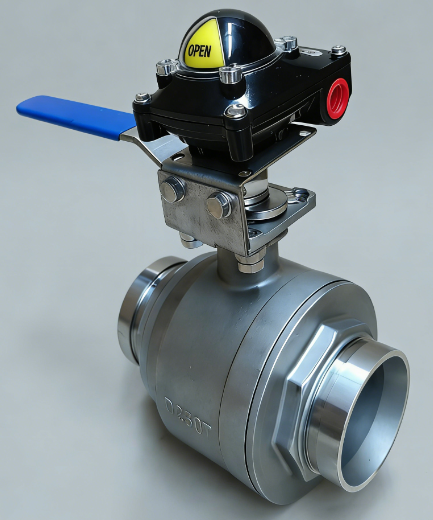
What Are Super Duplex Stainless Steel Valves
Super duplex valves are made from advanced super duplex stainless steel grades with higher alloy content for enhanced corrosion resistance and mechanical properties.
Typical super duplex grades include:
- ASTM A182 F53
- ASTM A182 F55
- ASTM A182 F60
A super duplex ball valve is often used in offshore and subsea applications where extreme conditions are present.
Key Differences Between Duplex and Super Duplex Valves
Chemical Composition
- Duplex 2205 (A182 F51) contains moderate levels of chromium, molybdenum, and nitrogen
- Super duplex (A182 F53 and F55) contains higher alloy content, improving resistance to corrosion and pitting
Corrosion Resistance
Super duplex stainless steel is more resistant to corrosion, especially in:
- Chloride-rich environments
- Seawater
- Acidic and chemical processing systems
Both duplex and super duplex are resistant to pitting, but super duplex provides enhanced performance in highly corrosive environments.
Mechanical Strength
Both materials offer high strength compared with austenitic stainless steels. Super duplex provides even higher yield and tensile strength, making it suitable for high pressure systems.
Resistance to Stress Corrosion Cracking
Duplex and super duplex stainless steels offer improved resistance to stress corrosion cracking compared with conventional austenitic stainless steels, especially in chloride environments.
Microstructure: Austenite and Ferrite Phases
Duplex stainless steels contain approximately equal proportions of:
- Austenitic phases
- Ferrite phases
This structure delivers:
- Higher mechanical strength
- Improved resistance to stress corrosion cracking
- Better resistance to localized corrosion
Applications in Oil and Gas and Other Industries
Oil and Gas Industry
Duplex and super duplex ball valves are widely used in:
- Offshore platforms
- Subsea pipelines
- Refinery process systems
- High pressure wellhead equipment
Chemical Processing
Used in reactors, heat exchangers, and chemical transfer lines handling corrosive fluids.
Marine and Desalination
Suitable for seawater pipelines, desalination plants, and marine equipment due to resistance to pitting and corrosion.
Power and Industrial Systems
Applied in power generation, pulp and paper, and industrial process plants.
Advantages of Duplex and Super Duplex Valves
Resistant to Corrosion
Both duplex and super duplex materials offer strong resistance to corrosion in aggressive media.
High Strength
Duplex and super duplex stainless steels provide higher yield strength than austenitic stainless steels, allowing thinner wall thickness and reduced weight.
Good Weldability
Duplex 2205 and super duplex grades offer good weldability when proper welding procedures and filler materials are used.
Long Service Life
Due to corrosion resistance and mechanical durability, duplex and super duplex valves offer extended service life in demanding applications.
Wide Range of Applications
These materials are used across oil and gas, marine, chemical, power, and industrial sectors.
Duplex vs Super Duplex Stainless Steel Valves Comparison Table
| Property | Duplex Stainless Steel (A182 F51 / 2205) | Super Duplex Stainless Steel (A182 F53) |
|---|
| Corrosion Resistance | Very good | Excellent |
| Pitting Resistance | Good | Excellent |
| Strength | High | Very high |
| Stress Corrosion Cracking Resistance | Good | Excellent |
| Cost | Medium | Higher |
| Typical Applications | Onshore, chemical plants | Offshore, subsea, high chloride |
How to Choose Duplex or Super Duplex Valves
Operating Environment
Select super duplex for highly corrosive environments and duplex for moderate chloride exposure.
Pressure and Temperature
Super duplex is preferred for high pressure and high mechanical load systems.
Cost Consideration
Duplex 2205 offers a cost-effective option for many industrial applications, while super duplex is selected for extreme conditions.
Standards and Certifications
Check compliance with ASTM A182, ASME, ISO, and API standards.
FAQs About Duplex and Super Duplex Stainless Steel Valves
What is the difference between duplex and super duplex stainless steel
Super duplex has higher alloy content and better resistance to corrosion and pitting compared with duplex stainless steel.
Are duplex stainless steel ball valves suitable for oil and gas
Yes. Duplex stainless steel ball valves are widely used in oil and gas for pipelines, processing equipment, and offshore systems.
What is A182 F53 and A182 F51
A182 F51 is a duplex stainless steel grade (2205), while A182 F53 is a super duplex stainless steel grade with enhanced corrosion resistance and strength.
Are duplex valves resistant to stress corrosion cracking
Yes. Duplex and super duplex stainless steels provide improved resistance to stress corrosion cracking compared with austenitic stainless steels.
Do duplex valves have good weldability
Yes. Duplex 2205 and super duplex materials offer good weldability when correct welding procedures are followed.
Why Industrial Buyers Choose Duplex and Super Duplex Valves
Industrial buyers select duplex and super duplex valves for:
- Resistance to corrosion and pitting in harsh environments
- High strength for high pressure systems
- Improved resistance to stress corrosion cracking
- Long service life with reduced maintenance
- Wide range of industrial applications
Conclusion
Duplex and super duplex stainless steel valves are designed for demanding industrial applications where corrosion resistance, high strength, and long-term durability are required. Duplex 2205 (A182 F51) is widely used in chemical processing and onshore oil and gas systems, offering a balance between performance and cost. Super duplex grades such as A182 F53 provide enhanced resistance to pitting, stress corrosion cracking, and chloride environments, making them suitable for offshore, subsea, and highly corrosive conditions.
When selecting between duplex and super duplex valves, engineers should evaluate operating pressure, temperature, chloride exposure, and lifecycle cost. Choosing the right material helps extend service life, reduce maintenance, and improve system reliability across a wide range of industrial environments.