Ball valves are among the most widely used quarter-turn valves in industrial piping systems. Their simple operation, reliable sealing performance, and long service life make them suitable for applications ranging from water treatment and chemical processing to oil and gas transportation.
When selecting a ball valve, engineers often encounter two common designs: full port ball valves and reduced port ball valves. While both perform the same basic shutoff function, their internal flow paths differ significantly.
The size of the valve's internal ball opening directly affects flow capacity, fluid velocity, pressure loss, pigging capability, and overall system performance.
This guide explains the differences between full port and reduced port ball valves, compares their advantages and limitations, and helps determine which design is most suitable for specific applications.
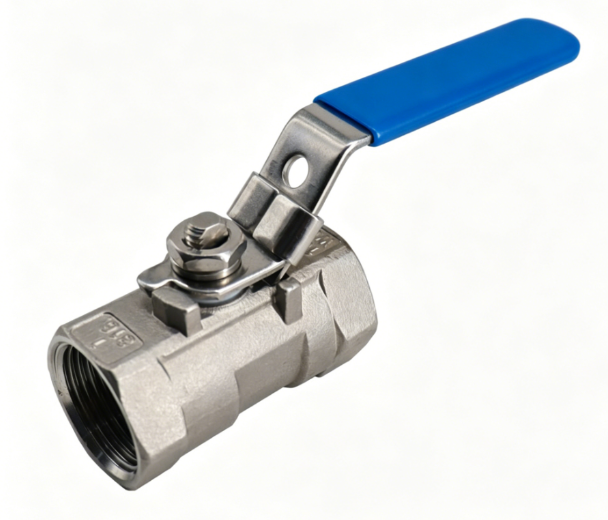
A full port ball valve (also called a full bore ball valve) has an internal bore that matches the diameter of the connecting pipeline.
When the valve is fully open, the flow passage remains nearly identical to the pipe's internal diameter.
For example:
- 4-inch pipe
- 4-inch valve bore
- Minimal restriction
The flow path appears almost straight through the valve.
How Full Port Ball Valves Work
Inside the valve body, the ball contains a large opening that aligns with the pipeline when the valve is open.
Because the ball opening closely matches the pipe size:
- Flow restriction is minimized
- Fluid velocity remains relatively constant
- Turbulence is reduced
- Pressure losses are lower
This design is commonly used where maintaining maximum flow efficiency is desirable.
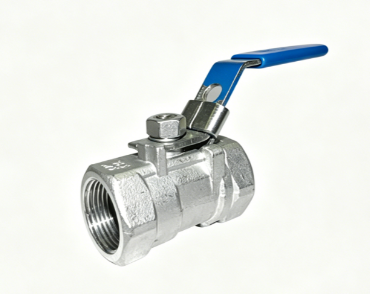
A reduced port ball valve, sometimes called a reduced bore valve, contains a smaller internal opening than the connected pipeline.
For example:
- 4-inch pipe
- Approximately 3-inch valve bore
The fluid must pass through a narrower opening before returning to the full pipe diameter.
This creates a controlled restriction within the system.
Standard Port vs Reduced Port
The terms standard port and reduced port are often used interchangeably.
Most manufacturers classify:
- Full Port = Bore matches pipe diameter
- Standard Port = Bore is one nominal size smaller
- Reduced Port = General term for smaller bore designs
Although terminology varies slightly among manufacturers, standard port valves are generally considered a type of reduced port valve.
Full Port vs Reduced Port Ball Valve: Key Differences
| Feature | Full Port Ball Valve | Reduced Port Ball Valve |
|---|
| Bore Diameter | Matches pipe size | Smaller than pipe size |
| Flow Capacity | Higher | Lower |
| Pressure Drop | Lower | Higher |
| Fluid Velocity | Lower | Higher |
| Valve Weight | Heavier | Lighter |
| Cost | Higher | Lower |
| Pigging Compatibility | Excellent | Limited |
| Installation Space | Larger | More compact |
How Ball Opening Affects Flow Performance
The size of the ball opening has a direct impact on fluid movement through the valve.
In a full port ball valve:
- Flow area remains nearly constant
- Fluid passes through smoothly
- Less turbulence develops
In a reduced port ball valve:
- Flow area decreases
- Velocity increases through the restriction
- Additional turbulence may occur
The effect becomes more noticeable in larger pipelines and high-flow applications.
Pressure Drop: Why It Matters
One of the most discussed differences between full port and reduced port designs is pressure drop.
Pressure drop refers to the loss of pressure as fluid moves through a valve, fitting, or pipe section.
Full Port Ball Valves and Pressure Drop
Because the bore matches the pipe diameter:
- Flow remains less restricted
- Energy loss is minimized
- Pump efficiency can improve
- System performance remains more consistent
Full port designs are commonly selected when pressure loss must be minimized.
Reduced Port Ball Valves and Pressure Drop
In reduced port valves, the smaller bore creates additional resistance.
As fluid accelerates through the restriction:
- Friction increases
- Turbulence may develop
- Pressure loss becomes higher
For many general service applications, the increase in pressure drop remains acceptable.
However, in high-flow systems, repeated restrictions throughout a pipeline can significantly affect efficiency.
Advantages of Full Port Ball Valves
Maximum Flow Capacity
Full port ball valves provide nearly unrestricted flow.
This is especially useful for:
- Oil and gas pipelines
- Water transmission systems
- Process industries
- Slurry transportation
Lower Energy Consumption
Reduced resistance means pumps often require less energy to maintain target flow rates.
Pigging Capability
Pipeline cleaning pigs can travel through full port valves without obstruction.
This makes full port valves popular in long-distance pipeline systems.
Better Performance with Viscous Fluids
Thick fluids encounter fewer restrictions when flowing through a full bore passage.
Applications include:
- Heavy oil
- Chemical products
- Food processing materials
Advantages of Reduced Port Ball Valves
Lower Purchase Cost
Reduced port ball valves generally require less material during manufacturing.
This often results in lower acquisition costs.
Compact Design
Smaller internal components allow a more compact valve body.
Benefits include:
- Reduced weight
- Easier handling
- Simpler installation
Suitable for General Service Applications
Many industrial systems do not require maximum flow capacity.
In these situations, reduced port ball valves can provide reliable shutoff performance while lowering project costs.
Limitations of Full Port Ball Valves
Higher Initial Investment
The larger ball and valve body increase material consumption.
Larger Installation Space
Full port valves often require more room within piping systems.
Increased Weight
Handling and support requirements may increase for larger valve sizes.
Limitations of Reduced Port Ball Valves
Greater Pressure Loss
The smaller bore creates additional flow resistance.
Restricted Pigging Operations
Pipeline pigs may not pass through the reduced opening.
Reduced Flow Capacity
Applications requiring maximum throughput may benefit from a full port design.
Common Applications for Full Port Ball Valves
Full port ball valves are frequently selected for:
Oil and Gas Pipelines
Flow efficiency and pigging capability are often desired.
Water Distribution Systems
Lower pressure losses help improve system performance.
Chemical Processing Plants
Many processes require consistent flow rates.
Marine Systems
Efficient flow helps optimize pumping operations.
Mining and Slurry Transport
Larger flow passages reduce clogging risks.
Common Applications for Reduced Port Ball Valves
Reduced port ball valves are widely used in:
Utility Water Systems
Moderate flow requirements often make standard port valves sufficient.
HVAC Systems
Space-saving valve designs simplify installation.
Compressed Air Networks
Slight pressure losses are generally acceptable.
Industrial Process Lines
Many shutoff applications do not require full bore flow.
Commercial Buildings
Reduced port designs can lower project costs without affecting system functionality.
How to Choose Between Full Port and Reduced Port Ball Valves
Consider the following questions:
Is Flow Efficiency a Priority?
If maintaining maximum flow is important, full port ball valves are often preferred.
Is Pressure Drop a Concern?
Applications sensitive to pressure loss typically benefit from full bore designs.
Is Pigging Required?
Choose full port valves for piggable pipeline systems.
Is Budget the Main Consideration?
Reduced port valves often provide a more economical solution.
Is Installation Space Limited?
Compact reduced port valves may fit more easily into confined areas.
Full Port vs Reduced Port Ball Valve: Quick Comparison
Choose Full Port Ball Valves When:
- Maximum flow capacity is needed
- Pressure drop must remain low
- Pigging operations are required
- Viscous fluids are being handled
- Pumping efficiency is important
Choose Reduced Port Ball Valves When:
- Budget is a priority
- Space is limited
- Moderate pressure loss is acceptable
- General shutoff service is required
- Flow demand is relatively low
Frequently Asked Questions (FAQs)
What is the difference between full port and reduced port ball valves?
A full port ball valve has a bore diameter that closely matches the pipe size, while a reduced port ball valve uses a smaller internal opening that restricts flow to some extent.
Do reduced port valves create pressure drop?
Yes. The smaller flow passage increases resistance and can create a greater pressure drop compared to full port designs.
What is a standard port ball valve?
A standard port valve typically has an internal bore one size smaller than the connected pipeline and is generally considered a type of reduced port valve.
Are full port ball valves more expensive?
Yes. Larger internal components and additional material requirements usually increase manufacturing costs.
Can pipeline pigs pass through reduced port ball valves?
In most cases, no. Pigging systems generally require full port ball valves to allow unobstructed passage.
Which valve is better for oil and gas pipelines?
Full port ball valves are commonly preferred because they support pigging operations and reduce pressure losses.
Does a larger ball opening improve flow?
Yes. A larger ball opening allows fluid to move through the valve with less restriction, helping maintain flow efficiency.
Are reduced port ball valves suitable for water systems?
Yes. Many commercial and industrial water systems use reduced port valves where minor pressure losses are acceptable.
Conclusion
The choice between full port ball valves and reduced port ball valves depends on the requirements of the piping system. Full port designs offer greater flow capacity, lower pressure drop, and better compatibility with pigging operations. Reduced port valves provide a more compact and economical solution for many general-purpose applications.
By evaluating flow requirements, installation constraints, operating costs, and maintenance considerations, engineers can select the valve design that best matches their system objectives.