Meta Description: Compare Hastelloy C276 vs Inconel 625 valves in terms of corrosion resistance, tensile strength, oxidation resistance, pressure capability, and industrial applications. Learn which alloy is best for chemical processing, offshore, and instrumentation systems.
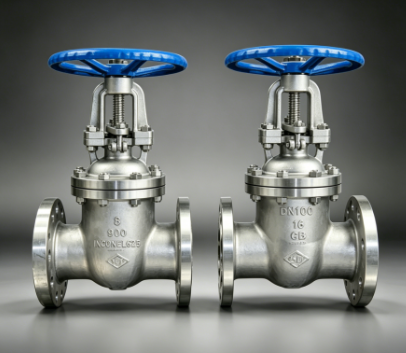
Hastelloy C276 vs Inconel 625 Valves
Selecting the right valve material has a direct impact on equipment reliability, maintenance costs, and service life. Among the most widely specified nickel-based materials, Hastelloy C276 and Inconel Alloy 625 are known for their excellent corrosion resistance and mechanical performance in demanding environments.
Although these materials share several advantages, they were developed for different operating conditions. Understanding their differences helps engineers choose the most suitable ball valve, tube fitting, or welded socket component for a particular process.
This guide compares Hastelloy C276 and Inconel 625 valves from the perspectives of chemical resistance, strength, pressure capability, temperature performance, standards, and industrial applications.
Quick Comparison
| Property | Hastelloy C276 | Inconel Alloy 625 |
|---|
| UNS Number | N10276 | N06625 |
| DIN Grade | 2.4819 | DIN 2.4856 instrumentation grade |
| Main Alloy Elements | Ni-Mo-Cr | Ni-Cr-Mo-Nb |
| Excellent Against | Strong acids, chlorides | Seawater, oxidation, high temperatures |
| Tensile Strength | Approximately 690 MPa | Approximately 827 MPa |
| Oxidation Resistance | Very Good | Excellent |
| Crevice Corrosion Resistance | Excellent | Very Good |
| Stress Corrosion Cracking | Outstanding | Excellent |
| High Temperature Strength | Good | Excellent |
| Typical Pressure Ratings | Up to 3000 psi and higher | Up to 3000 psi and higher |
What Is Hastelloy C276?
Hastelloy C276 is a nickel-molybdenum-chromium alloy developed for highly corrosive process environments. It is widely recognized as one of the most versatile corrosion resistant alloy materials available today.
The alloy offers exceptional protection against:
- Hydrochloric acid
- Sulfuric acid
- Ferric chloride
- Wet chlorine
- Chlorine dioxide
- Organic acids
- Mixed chemical media
Its excellent resistance to crevice corrosion, pitting, and stress corrosion cracking makes it a preferred material in the chemical industry.
What Is Inconel Alloy 625?
Inconel Alloy 625 is a nickel-chromium alloy strengthened primarily through niobium and molybdenum additions rather than heat treatment.
Compared with Hastelloy C276, it offers:
- Higher tensile strength
- Superior fatigue resistance
- Better performance at elevated temperatures
- Outstanding oxidation resistance
- Excellent seawater corrosion resistance
For many offshore and aerospace applications, an Inconel 625 ball valve provides long service life under severe operating conditions.
Chemical Composition Comparison
| Element | Hastelloy C276 | Inconel 625 |
|---|
| Nickel | Balance | Balance |
| Chromium | 14.5–16.5% | 20–23% |
| Molybdenum | 15–17% | 8–10% |
| Iron | 4–7% | ≤5% |
| Niobium | — | 3.15–4.15% |
| Tungsten | 3–4.5% | — |
The higher molybdenum content gives Hastelloy C276 superior resistance in aggressive reducing acids, while Inconel 625 benefits from higher chromium and niobium for oxidation resistance and mechanical strength.
Corrosion Resistance Comparison
Hastelloy C276
Hastelloy C276 performs exceptionally well in:
- Acid production
- Chlorinated chemicals
- Waste treatment
- Pickling plants
- Chemical reactors
Its resistance to high corrosion environments is among the best available for industrial valve materials.
Advantages include:
- Excellent pitting resistance
- Outstanding crevice corrosion resistance
- Low susceptibility to localized attack
- Excellent resistance to oxidizing and reducing acids
Inconel Alloy 625
Inconel 625 performs especially well in:
- Marine environments
- Offshore platforms
- Saltwater systems
- Nuclear facilities
- Exhaust systems
Its strong oxidation resistance allows long-term exposure to oxygen-rich atmospheres at elevated temperatures.
Tensile Strength Comparison
Mechanical strength becomes increasingly important in high pressure systems.
| Property | Hastelloy C276 | Inconel 625 |
|---|
| Yield Strength | ~283 MPa | ~414 MPa |
| Tensile Strength | ~690 MPa | ~827 MPa |
| Elongation | Excellent | Excellent |
Inconel 625 provides significantly higher tensile strength, making it attractive for pressure-containing components exposed to mechanical loads.
High Temperature Performance
For equipment operating at elevated temperatures, thermal stability becomes a major consideration.
Hastelloy C276
Suitable for:
- Heat exchangers
- Chemical reactors
- Flue gas desulfurization
- Waste incineration
Maximum continuous service depends on process conditions but generally remains below Inconel 625 for long-duration high-temperature exposure.
Inconel 625
Designed for demanding thermal environments including:
- Gas turbines
- Aerospace
- Marine exhaust systems
- Furnace equipment
The alloy maintains strength while resisting oxidation during prolonged high-temperature operation.
Resistance to Stress Corrosion Cracking
Both alloys exhibit excellent resistance to stress corrosion cracking, especially compared with stainless steels.
Hastelloy C276 performs particularly well in chloride-rich acidic media where conventional stainless steel often fails.
Inconel 625 also offers excellent resistance in marine environments and chloride-containing process fluids.
Pressure Ratings and Valve Design
Both materials are commonly manufactured into:
- Ball valve
- Needle valve
- Check valve
- Gate valve
- Globe valve
- Manifold valve
High-performance valves are frequently available with pressure ratings including:
- 1000 psi
- 2000 psi
- 3000 psi
- 6000 psi
- 10000 psi
Pressure capability depends on valve design, wall thickness, end connections, and applicable standards.
Tube Fittings and Welded Socket Connections
Besides valves, these alloys are widely used in:
- Tube fitting
- Compression fittings
- Instrumentation manifolds
- Pipe adapters
- Welded socket fittings
Nickel alloy fittings help maintain corrosion resistance throughout the piping system while reducing the risk of leakage in aggressive process environments.
DIN 2.4856 Instrumentation Components
DIN 2.4856 instrumentation fittings refer to instrumentation components manufactured from Inconel Alloy 625 according to DIN material designation 2.4856.
Typical products include:
- Instrumentation valves
- Compression tube fittings
- Weld fittings
- Needle valves
- Gauge valves
These products are frequently selected for offshore, oil & gas, and subsea applications.
ASTM A494 Valve Castings
Many nickel alloy valve bodies are manufactured according to ASTM A494, a specification covering cast nickel and nickel alloy materials for corrosion-resistant service.
Depending on the required alloy grade, ASTM A494 includes cast equivalents suitable for severe chemical processing applications.
Using ASTM-compliant castings helps ensure consistent mechanical properties and corrosion performance.
Applications
Hastelloy C276 Valves
Common applications include:
- Chemical reactors
- Acid production
- Fertilizer plants
- Chlor-alkali facilities
- Pharmaceutical processing
- Waste treatment
- Pulp and paper mills
Inconel 625 Ball Valve Applications
Typical uses include:
- Offshore platforms
- LNG facilities
- Marine systems
- Aerospace fuel systems
- Nuclear power
- High-temperature processing
- Seawater desalination
An Inconel 625 ball valve is often chosen where high mechanical strength and oxidation resistance are required.
Which Material Is Better?
Choose Hastelloy C276 when the operating environment includes:
- Strong acids
- Mixed corrosive chemicals
- Chlorides
- Severe crevice corrosion
- Aggressive chemical processing
Choose Inconel Alloy 625 when the system requires:
- Higher tensile strength
- Better oxidation resistance
- Long-term service at elevated temperatures
- Marine environments
- High mechanical loading
The best material depends on the actual operating conditions rather than a single performance characteristic.
Why Work with an Experienced Valves Manufacturer?
An experienced valves manufacturer can assist with:
- Material selection
- Pressure rating verification
- International standards compliance
- Custom valve configurations
- Inspection documentation
- Material traceability
- Pressure testing
- OEM manufacturing
Professional engineering support helps ensure the selected alloy matches both the process conditions and applicable industry standards.
Frequently Asked Questions
Is Hastelloy C276 more corrosion resistant than Inconel 625?
Yes. Hastelloy C276 generally offers better resistance to aggressive acids, chlorides, pitting, and crevice corrosion. It is commonly selected for highly corrosive chemical processing environments.
Which alloy has higher tensile strength?
Inconel Alloy 625 has higher tensile strength than Hastelloy C276, making it well suited for components subjected to high mechanical loads and pressure.
Can both materials be used for 3000 psi valves?
Yes. Both alloys are commonly manufactured into 3000 psi valves. The actual pressure rating depends on valve design, dimensions, temperature, and applicable standards.
Which alloy performs better at elevated temperatures?
Inconel Alloy 625 generally performs better at elevated temperatures because it maintains mechanical strength while providing excellent oxidation resistance.
Are Hastelloy C276 and Inconel 625 suitable for instrumentation systems?
Yes. Both materials are widely used for instrumentation valves, tube fittings, welded socket fittings, manifolds, and pressure control systems. DIN 2.4856 instrumentation components are commonly manufactured from Inconel 625 for demanding industrial applications.
Conclusion
Hastelloy C276 and Inconel Alloy 625 are premium nickel-based materials designed for environments where standard stainless steels cannot provide adequate performance.
Hastelloy C276 is often selected for aggressive chemical processing because of its exceptional resistance to acids, pitting, crevice corrosion, and stress corrosion cracking. Inconel 625 stands out where higher tensile strength, oxidation resistance, and reliable performance at elevated temperatures are required.
For valves, tube fittings, welded socket connections, and other high-pressure components, evaluating the process media, operating temperature, pressure rating, and service conditions will help determine which alloy offers the best long-term value.