

June. 23, 2026
Reading volume: 8
Offshore drilling environments place extraordinary demands on industrial equipment. Valves installed on offshore platforms must withstand seawater corrosion, high pressure, temperature fluctuations, vibration, and continuous exposure to harsh weather conditions. Selecting suitable valve materials is essential for maintaining operational safety, minimizing maintenance costs, and extending service life.
Among the various valve types used in offshore facilities, the ball valve is one of the most common choices due to its excellent sealing performance, fast operation, and durability.
This guide explains offshore platform valve material requirements, material selection standards, and key considerations for offshore drilling applications.
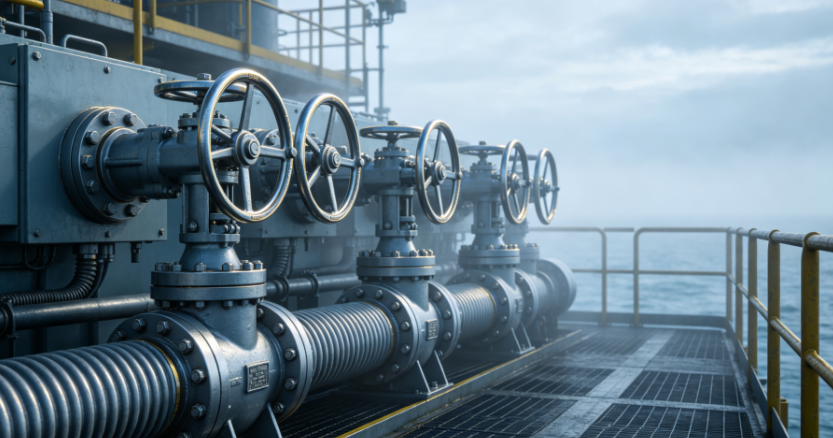
Offshore platform valves are flow-control devices used in:
These valves regulate, isolate, and control the flow of crude oil, natural gas, seawater, chemicals, and other process fluids.
Common valve types include:
Among them, the ball valve is widely used because it provides tight shutoff, low operating torque, and reliable performance under demanding offshore conditions.
Offshore drilling systems operate in one of the most aggressive industrial environments.
Equipment is exposed to:
Improper material selection can lead to:
Therefore, offshore valve materials must meet strict industry standards and environmental requirements.
Corrosion resistance is often the primary consideration for offshore valve materials.
Seawater contains high chloride concentrations that can rapidly attack standard carbon steel. Materials must resist:
Common corrosion-resistant materials include:
Super duplex stainless steel is particularly popular for offshore drilling because it combines high strength with strong resistance to chloride corrosion.
Offshore production systems frequently operate under elevated pressures.
Valve materials should provide:
Duplex and super duplex stainless steels offer nearly double the strength of conventional austenitic stainless steels, making them suitable for demanding offshore applications.
Many offshore oil and gas fields contain hydrogen sulfide (H₂S).
Exposure to sour gas can cause:
Valve materials must comply with:
These standards help ensure safe operation in sour service environments.
Seawater systems are used extensively on offshore platforms for:
Valves installed in seawater lines require materials capable of long-term exposure without significant deterioration.
Common choices include:
Offshore facilities may encounter:
Valve body, trim, seals, and seat materials must maintain performance throughout the expected operating temperature range.
Advantages:
Limitations:
Typical use:
Advantages:
Limitations:
Typical use:
Advantages:
Typical use:
Advantages:
Typical use:
Advantages:
Typical use:
Advantages:
Typical use:
Valve manufacturers commonly follow internationally recognized standards.
Important standards include:
These standards address valve design, testing, and performance requirements.
These standards focus on materials used in H₂S-containing environments.
Examples include:
These specifications define chemical composition and mechanical properties for offshore valve materials.
These standards support consistent quality and performance across offshore oil and gas projects.
Recommended materials:
Recommended materials:
Recommended materials:
Recommended materials:
Recommended materials:
Before selecting a valve material, evaluate:
Material selection should balance corrosion resistance, mechanical strength, maintenance costs, and lifecycle value.
Super duplex stainless steel is often considered one of the best materials for offshore ball valves because it offers high strength, excellent seawater resistance, and strong performance in chloride-rich environments.
Duplex stainless steel combines high mechanical strength with good corrosion resistance, making it suitable for offshore drilling systems exposed to seawater and high-pressure conditions.
Yes. Carbon steel valves can be used in certain offshore applications when protected by coatings, linings, or cathodic protection systems. However, they are generally less resistant to corrosion than stainless steel or duplex materials.
Common standards include API 6D, API 6A, API 598, NACE MR0175, ISO 15156, ASTM material specifications, and ISO 10423.
Super duplex stainless steel offers excellent resistance to pitting, crevice corrosion, and chloride attack, making it suitable for continuous seawater exposure.
Hydrogen sulfide can cause sulfide stress cracking and hydrogen embrittlement. Materials used in sour service must comply with NACE MR0175 and ISO 15156 requirements.
Selecting the right valve materials is a fundamental part of offshore platform design and operation. Offshore drilling environments expose equipment to corrosion, pressure, temperature variations, and aggressive process media that demand durable and reliable materials.
For many offshore applications, ball valve designs manufactured from duplex stainless steel, super duplex stainless steel, nickel alloys, or titanium provide excellent long-term performance. By following recognized industry standards and matching material properties to operating conditions, offshore operators can improve reliability, reduce maintenance requirements, and support safe, efficient production throughout the life of the platform.
The previous: What Is a Ball Valve? (Complete Guide)
Next: NO


