

April. 25, 2026
Reading volume: 236
Titanium valves are widely used in industries that demand high corrosion resistance, strength, and long service life. From chemical processing to marine engineering, these valves provide reliable performance where traditional materials often fail. This article explains the advantages of titanium valves, their common applications, and key technical considerations such as valve stem design and stem diameter.
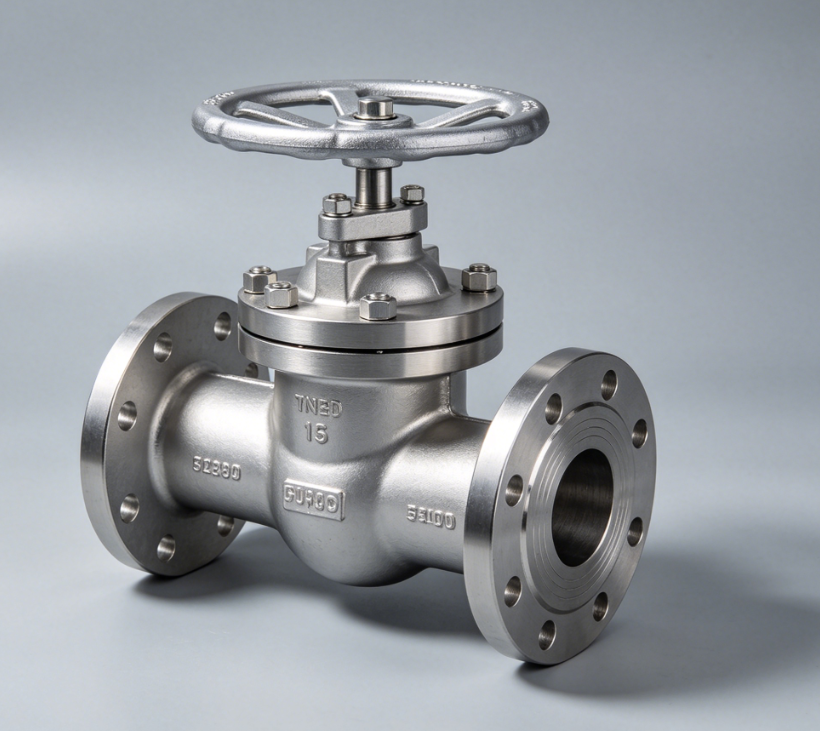
Titanium valves are flow control devices manufactured using titanium or titanium alloys. They are designed to regulate, direct, or shut off the flow of liquids and gases in demanding environments. Compared to stainless steel or brass valves, titanium valves offer superior resistance to corrosion, particularly in aggressive media such as seawater, acids, and chlorides.
Titanium naturally forms a stable oxide layer on its surface, which protects it from corrosion. This makes titanium valves ideal for:
Unlike many metals, titanium resists pitting and crevice corrosion, even under prolonged exposure.
Titanium alloys provide high mechanical strength while remaining lightweight. This reduces system load and simplifies installation, especially in offshore platforms and aerospace applications.
Titanium valves typically last longer than conventional valves because they are less prone to corrosion and wear. The durability of the valve stem and sealing components contributes to consistent performance over time.
Titanium performs well across a broad temperature range, making it suitable for both high-temperature and low-temperature systems.
In specialized sectors such as medical and pharmaceutical processing, titanium valves are valued for their non-toxic and biocompatible properties.
The valve stem is a key component that connects the actuator or handle to the internal sealing mechanism. In titanium valves, the stem must meet strict performance requirements.
Using titanium or compatible titanium alloys for the valve stem ensures uniform corrosion resistance and avoids galvanic reactions.
The stem diameter directly affects:
A properly sized stem diameter ensures smooth operation and prevents premature failure under high pressure or frequent cycling.
Titanium stems are often precision-machined and may include surface treatments to reduce friction and improve sealing performance.
Different titanium alloys are selected based on application needs:
Each alloy offers a balance between strength, corrosion resistance, and cost.
Titanium valves are used in systems handling aggressive chemicals such as sulfuric acid, nitric acid, and chlorine.
Seawater desalination plants and offshore platforms rely on titanium valves due to their resistance to saltwater corrosion.
In subsea and sour gas environments, titanium valves provide durability and reliability.
Used in cooling systems and heat exchangers, especially where seawater is involved.
Lightweight titanium valves are used in aircraft hydraulic and fuel systems.
Titanium’s clean and non-reactive properties make it suitable for high-purity fluid handling.
When selecting or designing titanium valves, several factors should be evaluated:
Advanced machining techniques are often required due to titanium’s hardness and low thermal conductivity.
Titanium material and machining costs are higher. However, the longer service life and reduced maintenance often offset the initial investment.
Yes. Titanium valves perform exceptionally well in seawater due to their resistance to salt-induced corrosion.
The valve stem ensures proper transmission of motion and sealing. Incorrect stem diameter or poor material selection can lead to leakage or mechanical failure.
Industries dealing with corrosive fluids, such as chemical processing, marine engineering, and oil and gas, benefit the most.
Yes. With proper design and the right titanium alloys, these valves can operate under high-pressure conditions reliably.
Titanium valves offer a strong combination of corrosion resistance, durability, and performance across demanding environments. Careful attention to details such as valve stem material, stem diameter, and alloy selection ensures optimal operation. While the upfront cost is higher, the long-term benefits make titanium valves a practical choice for industries that require dependable flow control solutions.
The previous: Top 5 Alloy 20 Valve Manufacturers in China


